
You put the heater on. You wear socks to bed. You still can’t warm up.
The warmth doesn’t reach you. Cold in your lower back even in a heated room. Cold feet that wake you at 2am. A bone-deep chill that a hot shower fixes for twenty minutes, then dissolves.
In Chinese medicine, this pattern has a name: Yang deficiency. And winter is the season that makes it impossible to ignore.
The body’s pilot light
Yang is the warm, active, moving force in the body. Think of it as the internal fire that keeps everything running: digestion, circulation, motivation, metabolism. When Yang is strong, you wake up feeling ready. Your extremities are warm. Your digestion is reliable. You have a baseline drive to do things.
The Kidney holds the root of that Yang, the original flame from which everything else draws. Chinese medicine calls it Ming Men, the Gate of Life. When Kidney Yang is full, the rest of the body can borrow heat from it. When it’s low, the whole system runs cold.
How to recognise it

Yang deficiency is one of the patterns people often recognise immediately when they hear the description.
-
Chronically cold, especially in the lower back, knees, and feet. The chill lives deep in the body, past what a heat pack fixes at the surface. (Cold hands that warm up in a heated room tend to point more toward blood deficiency.)
-
Tired in the morning, even after a full night’s sleep. The first hour of the day is the hardest: slow, heavy, foggy. The engine is cold.
-
Needing to urinate frequently, or waking at night to go. The Kidney’s job includes holding fluids; when Yang is low, that holding function weakens.
-
Loose stools, or that early-morning urgency to get to the bathroom. The digestive fire is a downstream expression of Kidney Yang — when the root is cold, the middle burner runs cool too.
-
Low libido. A general flatness, independent of circumstances. The interest has gone quiet.
-
Low mood or motivation that feels like a dimmer switch turned down. Projects started but not finished. A vague sense of “I’ll get to it” that never quite arrives.
-
A face that’s pale, and sometimes slightly puffy around the eyes in the morning.
The tongue is usually pale and wet, sometimes with a swollen, waterlogged quality. The pulse is deep, slow, and soft when you press in.
One useful distinction: blood deficiency also produces cold and tiredness, but with a different texture. Blood deficiency cold sits closer to the surface: cold hands, pallor, dizziness, a fragile kind of tiredness that lifts with rest. Yang deficiency runs deeper. A heat pack genuinely helps. A warm meal helps. The flat, motivationless quality is a Yang deficiency signature.
Why winter is the season that matters

In Chinese medicine, winter corresponds to the Kidney. It’s the Water season, the deepest, most inward time of year. Nature contracts. Sap retreats. Animals slow down and conserve.
The Kidney stores Jing, our constitutional essence: the deep reservoir of vitality we’re born with and spend down over a lifetime. Overwork, late nights, chronic stress, and years of hard living all draw on it. Winter is the one season where, if you cooperate with it, the body has a natural opportunity to restore it.
This is why the classical texts say winter is a time for going inward: earlier to bed, later to rise, less output, more rest. Less striving. Less staying up. The body is doing something. Cooperate with it.
Practically: wear a longer jacket and keep the lower back covered, keep the feet warm, avoid raw and cold foods, and take cold exposure more seriously than you might in summer.
The emotional layer

Chinese medicine assigns specific emotions to specific organs. The Kidney’s paired emotion is fear, and the fear it governs runs deeper than phobias or acute fright. It’s existential. A background apprehension. The feeling that nothing is quite solid.
When Kidney Yang is low, people often describe feeling unmoored. A low-grade sense that something is wrong, without being able to say what. The 3am wake-up where everything feels heavy and unresolvable. The ground feels slightly uncertain beneath them.
In the Kidney’s framework, this makes sense. The Kidney provides the body’s deepest sense of groundedness and certainty, the felt sense of having a foundation. When that root is depleted, the whole system lacks ballast.
The Kidney also houses zhi, often translated as willpower, and more precisely the capacity for sustained, directed effort over time. The quiet depth that keeps going through winter, through difficulty, through the long arc of something. When Kidney Yang is low, zhi dims. You might notice it as an inability to hold to commitments, a tendency to abandon things half-finished, a sense that nothing in the future is pulling you forward. The motivational compass loses its pull.
Winter amplifies all of this. The season is naturally suspended, everything waiting. For someone with good Kidney Yang, that’s restful: the quiet before spring. With deficiency, the same waiting becomes stagnation, uncertainty, a low-level dread of what comes next.
Knowing this doesn’t make the feeling go away. It does place it somewhere. The flatness, the 3am unease, the abandoned projects: these are signs the root is cold. And the root can be warmed.
What to eat

Warming, cooked food is the rule in winter. Cold and raw foods tax the digestive Yang; the body has to warm them before absorbing anything. In summer that’s a minor inefficiency. In winter, with Yang already under pressure, it matters.
Foods that support Kidney Yang:
-
Lamb. The most warming meat in the Chinese pharmacopoeia. A winter congee with lamb and ginger is a genuine tonic.
-
Beef and bone broth. Warming, nourishing, and among the few foods that directly support the Kidney’s deeper reserves.
-
Walnuts. Warming and rich, with a specific affinity for Kidney Yang deficiency, especially where there’s lower back weakness or loose stools.
-
Chestnuts. Warming and sweet, supporting both Kidney and Spleen. Good roasted, or cooked into congee.
-
Black sesame and black beans. In five-element theory, the black colour has an affinity for the Kidney. Black sesame is a gentle tonic, useful when dryness appears alongside deficiency.
-
Warming spices — ginger, cinnamon, cloves, star anise, cardamom. Use them liberally in winter cooking. They move and warm the interior.
Congee deserves a specific mention. A long-cooked rice porridge with warming additions (lamb, ginger, cinnamon, a sprinkle of walnut or black sesame) is basically a herbal formula in food form. Easily digested, deeply warming, and kind to a system that’s trying to consolidate.
A word on salt
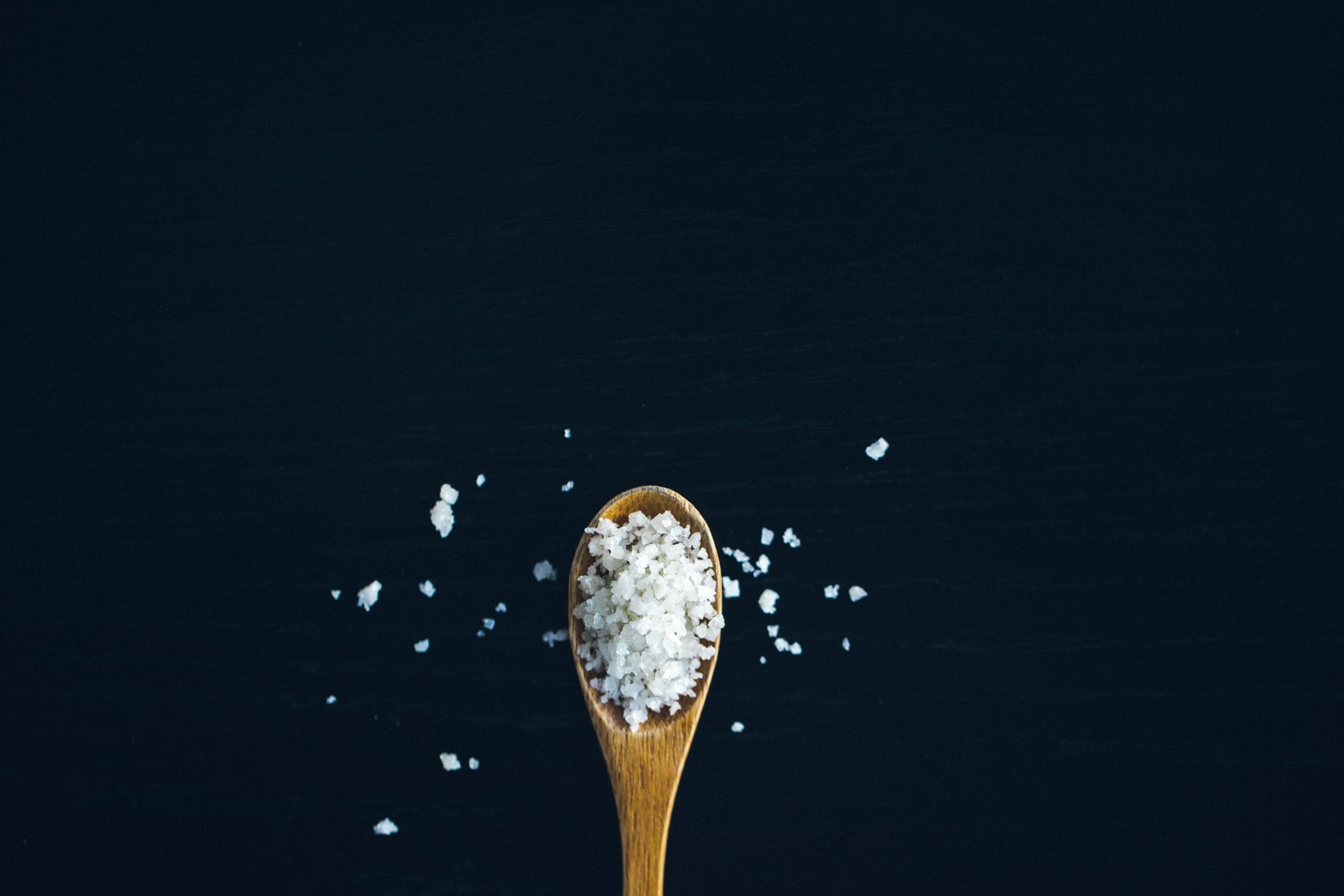
Salt is the Kidney’s flavour in five-element theory. Small amounts of quality salt — sea salt, miso, tamari, seaweed — support the Kidney directly. Traditional fermented and preserved foods like miso soup and fish broth appear in every cold-climate cuisine for this reason.
The problem is quantity and source. The sodium in processed and packaged food, in concentrations the body wasn’t designed for, taxes the Kidney rather than supporting it. Eat food-quality salt in reasonable amounts, and pay attention to where the bulk of your sodium is actually coming from.
Moxa and the practical side
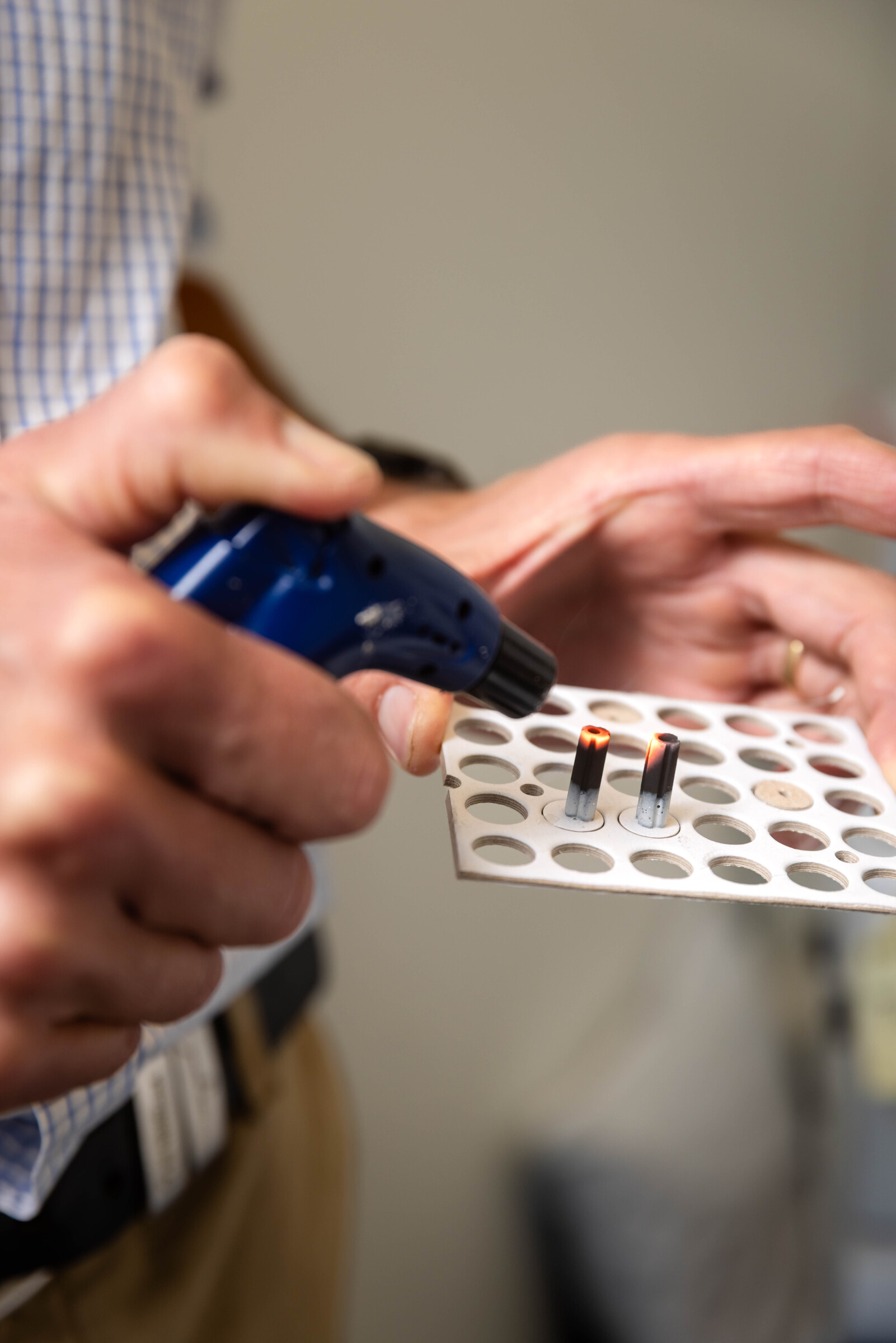
Moxibustion, the burning of dried mugwort over acupuncture points, is the direct application of Yang warmth into the body. For Yang deficiency, it does something that herbs and food alone can’t quite replicate. The points most commonly used for Kidney Yang support are Guanyuan (Ren 4, below the navel), Shenshu (BL 23, lower back), and Zusanli (ST 36, below the knee).
You don’t need to come in to use moxa. Small moxa sticks are available from the clinic, and self-use on Zusanli and the lower abdomen is straightforward. If you’ve been doing it already this winter, keep going. If you’re curious, ask at your next appointment.
Beyond moxa: keep the lower back warm – long singlets and heat packs! – go to bed before 10:30pm, avoid pushing hard at work late into the evening, and eat something warm for breakfast. These are small things. They add up over a winter.
If this sounds like you

Yang deficiency responds well to treatment, but it’s a pattern that rewards consistency over intensity. A formula and a course of acupuncture over the winter months will do more than a single session in August when you’ve run the tank completely dry.
If you’ve been cold, flat, and slow for a while, and winter reliably makes it worse, it’s worth getting a proper look at what’s driving it. There are a few different patterns that look similar on the surface (blood deficiency and Kidney Yin deficiency both produce cold and fatigue in different ways), and the treatment is different for each.
Book a consult at Geelong Chinese Medicine if you’d like to work out what’s actually going on, and what winter might look like if you came out of it better than you went in.