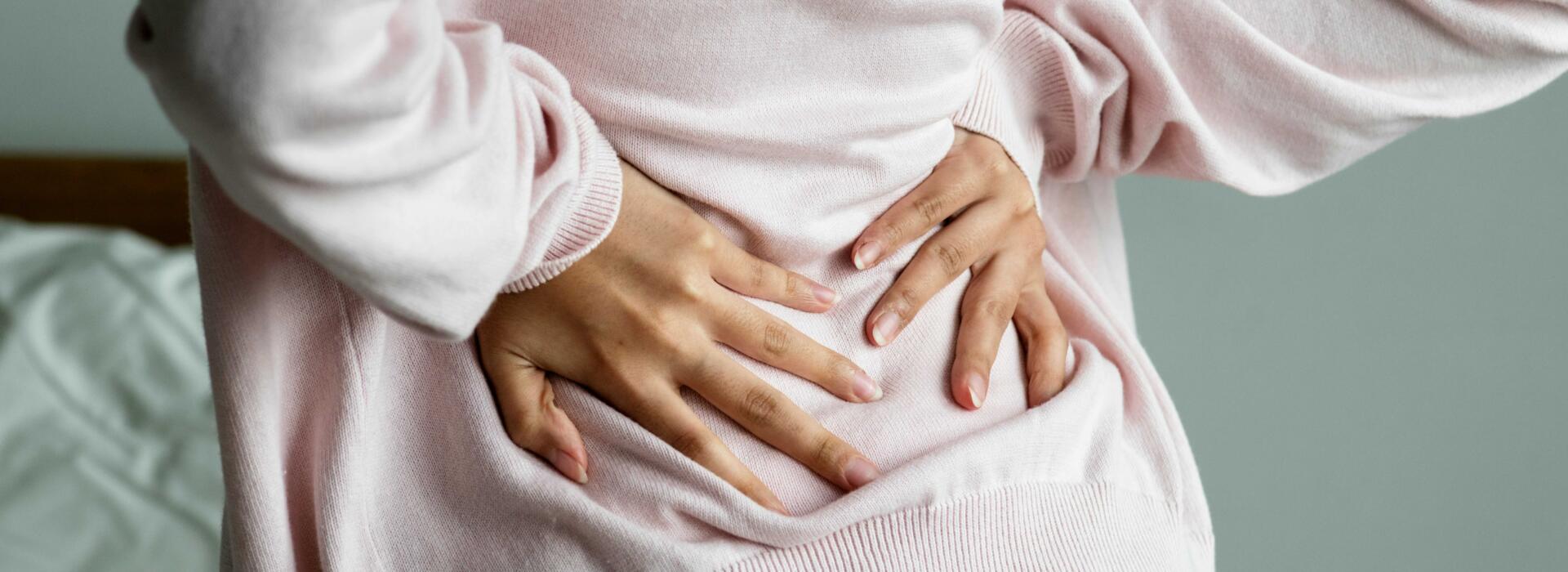

Pain and headache treatments in Geelong
Pain is the most common reason people come to see us. Some arrive with a clear diagnosis — a disc injury, frozen shoulder, osteoarthritis. Others have been in pain for months or years without a satisfying explanation. We work with both.
We regularly see patients experiencing back and neck pain, shoulder, hip, knee, and joint pain, headaches and migraines, nerve pain, post-surgical pain, fibromyalgia, and sports injuries.
How we approach pain
We assess the whole picture — where the pain is, what makes it worse, what else is going on in your body. Two people with the same sore back may have completely different patterns driving it. One might be structural. Another might be sustained by stress, poor sleep, or digestive weakness pulling resources away from recovery.
Acupuncture works on pain through several mechanisms. It stimulates the nervous system to release endorphins, the body’s own pain-relieving chemicals. It regulates pain signalling pathways, improves blood flow to injured tissue, and reduces inflammation. These effects support the body’s capacity to heal and help break the cycle that keeps chronic pain active.
We build a treatment plan using acupuncture, Chinese herbal medicine, cupping, electroacupuncture, and self-management advice. For acute injuries we work frequently and directly. For chronic pain we work in stages: settle the symptoms first, then address the patterns sustaining them.
Pain affects sleep, mood, and energy. Stress and emotional health influence the body’s inflammatory responses. We factor all of this in.
Evidence
Acupuncture is one of the most researched areas of Chinese medicine, and pain is where the evidence is strongest. Large-scale studies and systematic reviews support acupuncture as a clinically effective option for non-specific lower back pain, osteoarthritis of the knee, and tension-type headaches. AHPRA recognises these as evidence-supported claims. Further evidence supports its use for chronic neck, shoulder, and knee pain, and as an adjunct or alternative to opioid-based approaches (see below).
Working with your other practitioners
Acupuncture complements physiotherapy, exercise rehabilitation, and conventional pain management. We work within the Corio Bay Health Group alongside GPs, physiotherapists, and allied health practitioners, and we coordinate with your existing team when that supports your recovery.

Understanding different types of pain

In Chinese medicine, pain reflects disrupted flow. When blood and energy circulate freely, the body maintains and repairs itself. When that flow is blocked — by injury, stress, cold, overuse, or insufficient nourishment — pain results.
This is why we look beyond the site of pain. A stiff neck might relate to emotional tension. Chronic lower back pain might be sustained by underlying depletion. Headaches might track with hormonal cycles or digestive patterns. Identifying what’s driving the disruption changes how we work.
Watch our clinic founder Dr Zhen Zheng explain how acupuncture works for pain.
Yes, and it is a large and growing evidence base. Two individual patient data meta-analyses, pooling results across dozens of trials, found real acupuncture more effective than sham acupuncture for chronic pain, including back and neck pain, osteoarthritis and headache, with the improvement still largely present a year after treatment ended (Vickers et al, Archives of Internal Medicine, 2012; Acupuncture Trialists’ Collaboration, Journal of Pain, 2018). A further meta-analysis following 6,376 patients found around 90% of that improvement had persisted at 12 months (MacPherson et al, Pain, 2017).
For acute pain, a systematic review of 13 trials found acupuncture more effective than both sham needling and painkiller injections for immediate relief (Xiang et al, Evidence-Based Complementary and Alternative Medicine, 2017), and a 2022 review of 22 systematic reviews concluded acupuncture is a legitimate evidence-based option for acute pain care with the potential to reduce reliance on opioids (Nielsen et al, Pain Medicine, 2022).
For pain linked to cancer or surgery, systematic reviews and meta-analyses have found acupuncture reduces pain scores in people with cancer (Hu et al, Evidence-Based Complementary and Alternative Medicine, 2016; Chiu et al, European Journal of Cancer Care, 2017), and reduces pain and opioid use on the first day after surgery (Wu et al, PLOS ONE, 2016).
The most recent overview of the whole field, published in 2025 and covering 862 systematic reviews across 184 conditions, rates knee osteoarthritis, migraine prevention, tension-type headache and low back pain among the conditions with the strongest supporting evidence (Hempen and Hummelsberger, Complementary Therapies in Medicine, 2025). We go into the research for specific conditions in more depth on our pages for sciatica, lower back pain, neck and shoulder pain, and headaches and migraines.
If you would like to look further into the research, Associate Professor Zhen Zheng at RMIT has published on acupuncture for migraine, fibromyalgia, reducing opioid use in chronic pain patients, and post-operative pain.