

We are seeing more patients who have tried, or are considering, popular parasite and liver cleanse protocols. Here is how we think about the symptoms driving that interest, and what Chinese medicine offers instead.
Why are people looking for cleanses?
Parasite cleanses and liver detox protocols have become increasingly popular, driven largely by social media. The appeal is understandable: people are experiencing real symptoms, persistent bloating, fatigue that does not resolve with rest, brain fog, skin problems, disrupted sleep, difficulty losing weight, and they are looking for explanations and solutions.
The claim that “everyone has parasites” or that a toxic, congested liver is responsible for these symptoms gives people a concrete target. We do not dismiss the symptoms, which are genuine. But in our clinical experience, the explanation is usually more nuanced, and the solution more tailored, than a generic 30-day protocol.
What does Chinese medicine see in these presentations?
Chinese medicine diagnoses health conditions based on detailed analysis of an individual’s symptoms, with minimal reliance on laboratory tests. When we assess patients presenting with the cluster of symptoms described above; fatigue, bloating, foggy thinking, sluggish digestion, heaviness in the body, we typically identify one of a few common patterns.
The most common is a pattern of Dampness, often combined with Liver Qi stagnation or Spleen deficiency. These are not metaphors; they are functional descriptions of how the digestive and metabolic systems are, or are not, processing food, fluid, and the demands of daily life.
Dampness
Sluggish fluid metabolism. Signs include heaviness in the body, brain fog, loose stools, bloating, and a sticky tongue coat.
Liver Qi stagnation
Impaired smooth flow of Qi throughout the body. Signs include irritability, digestive irregularity, tension in the flanks or chest, and disturbed sleep.
Spleen Qi deficiency
Weakened digestive function. Signs include fatigue after eating, low appetite, loose stools, and heaviness in the limbs.
The Liver in Chinese medicine has a specific and important role: it ensures the smooth flow of Qi throughout the body and is deeply involved in digestive regulation. When Liver Qi becomes constrained through chronic stress, poor sleep, alcohol, or a rich diet, digestion suffers. Food and fluid do not transform cleanly. Dampness accumulates. The body feels heavy, sluggish, and congested.
This is the picture we see most commonly in patients who have been drawn to cleanse protocols. It is not that the Liver is “toxic” in a biochemical sense, but that its functional capacity is compromised and needs support.
How do we assess and treat this in clinic?
Because Chinese medicine treats the individual rather than a generic protocol, assessment is always pattern-dependent. Someone presenting primarily with Dampness and Spleen deficiency requires a very different approach from someone whose main picture is Liver Qi stagnation with heat. Getting this distinction right matters, treating the wrong pattern can be ineffective or counterproductive.
In practice, our approach typically involves a combination of acupuncture, herbal medicine, and dietary guidance. Acupuncture is used to move Liver Qi, resolve Dampness, support digestive function, regulate the nervous system, and improve sleep, all of which are commonly disrupted in the presentations described here. Herbal formulas are selected based on the individual pattern, not prescribed as a standard cleanse.
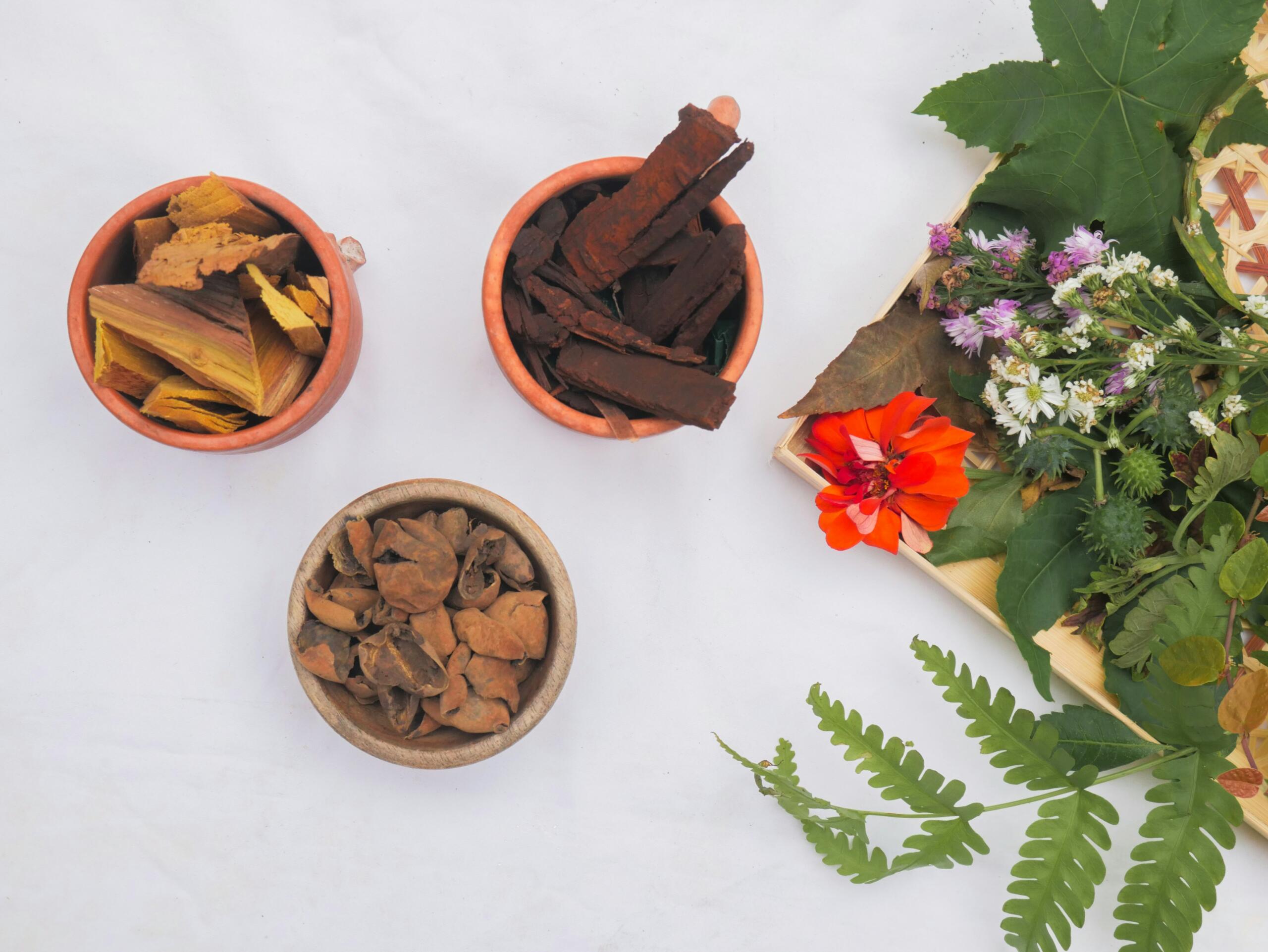
A note on herbal cleanses: Some herbs used in popular parasite protocols, including high-dose wormwood and black walnut, are genuinely bioactive and carry real risks when taken without professional guidance. Several of these herbs do appear in the Chinese pharmacopoeia, but in clinical practice they are used in carefully constructed formulas, at appropriate doses, and for specific indications. Context and professional oversight matter.
Dietary advice plays a significant role in treating both Dampness and Liver Qi stagnation. In our experience, the right dietary changes can substantially accelerate recovery, and we provide specific guidance based on the pattern identified in assessment.
When should parasitic infection actually be investigated?
We want to be clear: actual intestinal parasitic infection does occur, and when it is clinically suspected it should be properly investigated. If you have recently travelled to regions with known waterborne pathogen risk, have been exposed to untreated water, work closely with animals, or have symptoms including significant unintentional weight loss, blood in the stool, or severe cramping, please ask your GP if a stool microscopy and culture is warranted.
For the broader group of patients presenting with chronic fatigue, digestive symptoms, and brain fog without a clear infectious cause, Chinese medicine assessment is well suited to identifying what is actually driving the picture and developing an appropriate treatment approach.
As with our approach to other complex presentations, we find that collaboration is important. We work alongside your GP where appropriate, and for presentations involving significant fatigue or systemic symptoms, it is worth excluding other causes before assuming a digestive or Liver pattern. A thorough assessment, biomedical and Chinese medicine, gives us the best foundation for effective treatment.
If you have been experiencing the kinds of symptoms described here and are looking for a more grounded assessment of what may be happening, we would be glad to help.
Book online for an initial consultation at Geelong Chinese Medicine Clinic
—
This post is for general information only and does not constitute medical advice. If you have concerns about parasitic infection or gastrointestinal symptoms, please consult a qualified healthcare practitioner. Herbal supplements should not be taken without professional supervision.